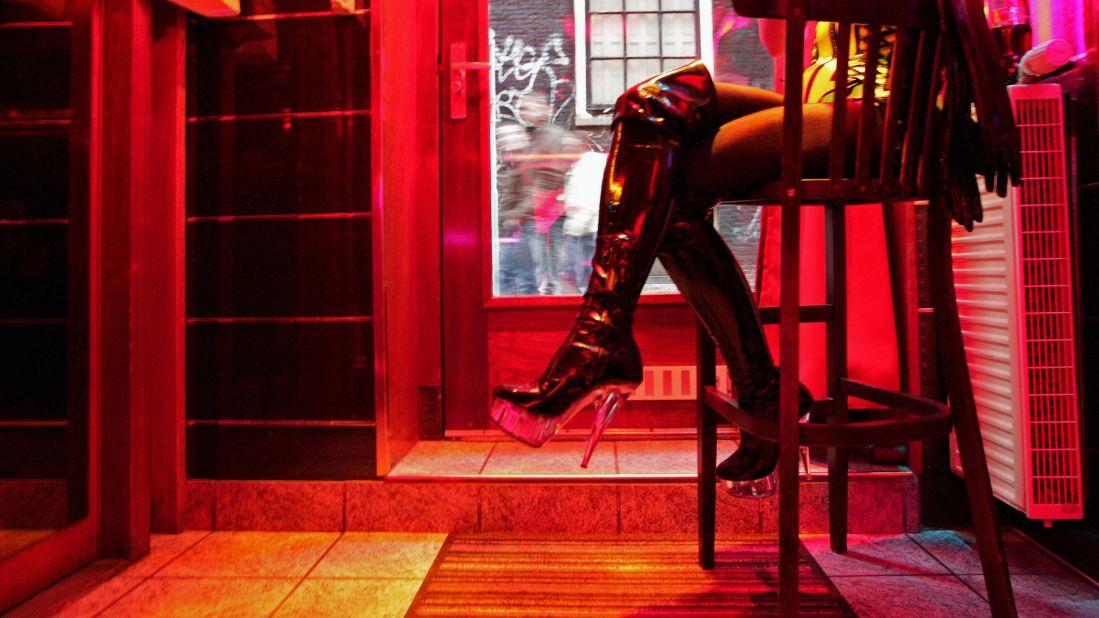
Unique Perspective on an Intriguing Locale: Discover the firsthand experiences of six individuals who call Amsterdam's De Wallen red-light district home, where a vibrant mix of sex shops, cafes, and lively tourists encapsulate the neighborhood's character.
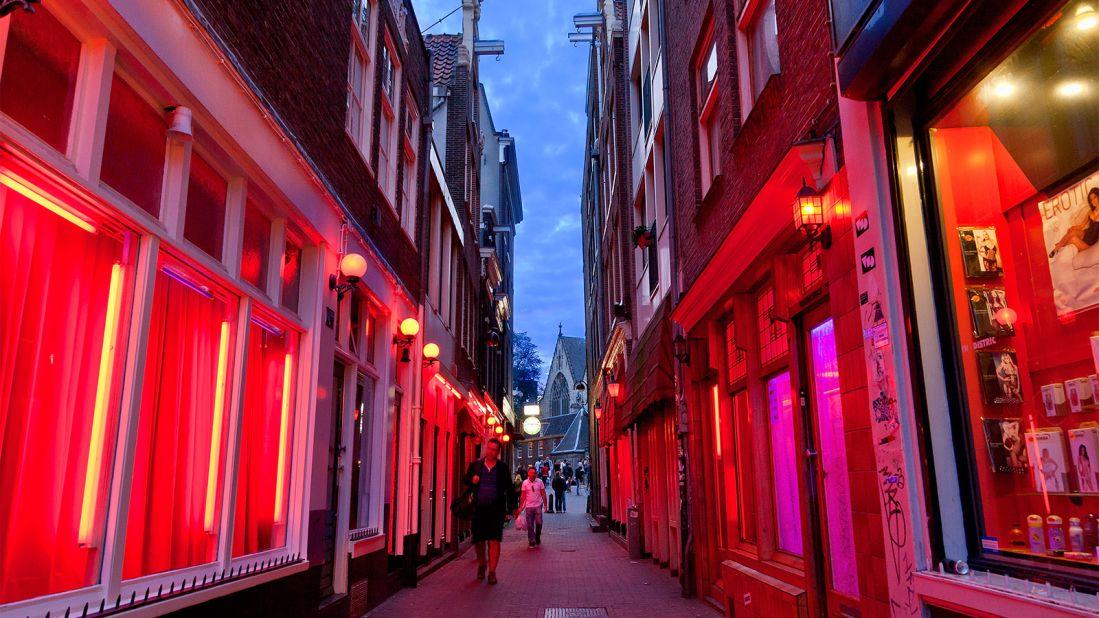
Initiative Aspirations: A collaborative initiative has been started by the city of Amsterdam and its local inhabitants, known as the "We Live Here" movement.
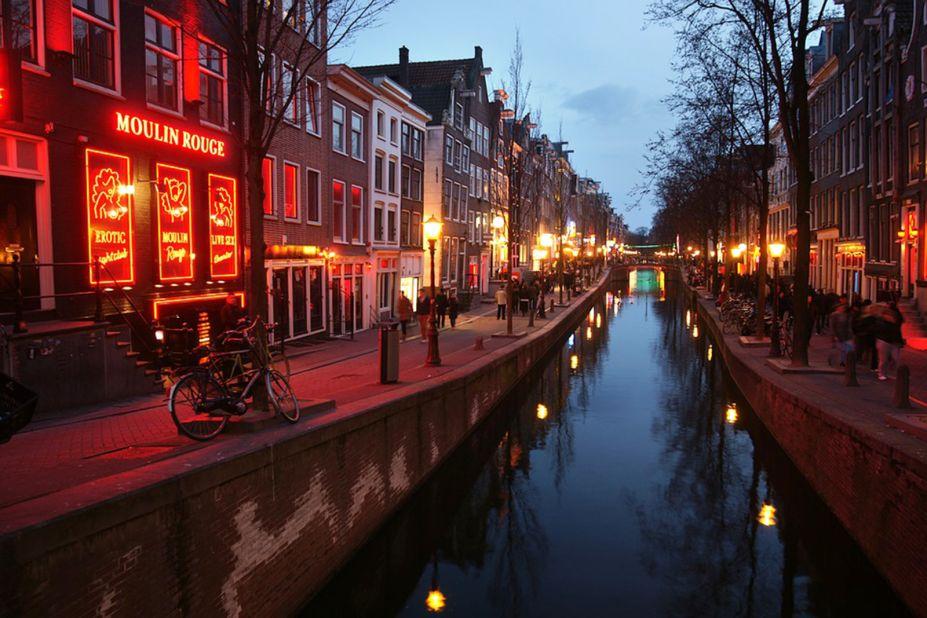
Effects of Tourism: According to Kok, the neighborhood has undergone positive changes, although there has been a noticeable increase in the number of visitors. She expressed concern about larger tourist groups who disregard the fact that people reside in the area.
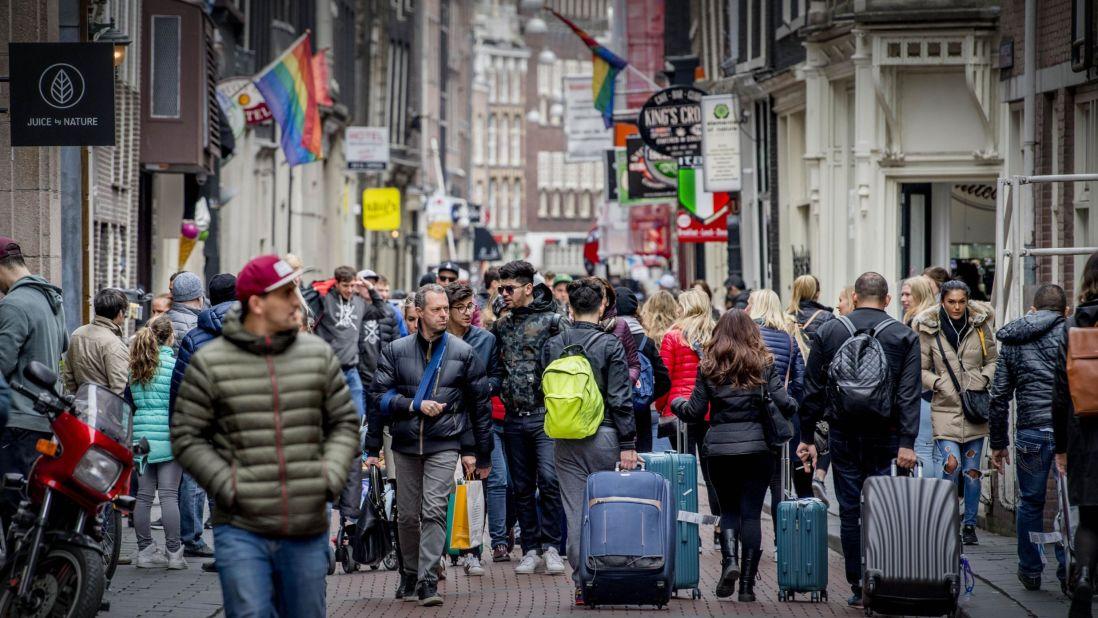
Dutch capital overwhelmed by visitors:
Every year, Amsterdam is flooded with approximately 18 million visitors, resulting in a significant influx of tourists. Among the city's numerous attractions, the red-light district stands out as a particularly popular destination.
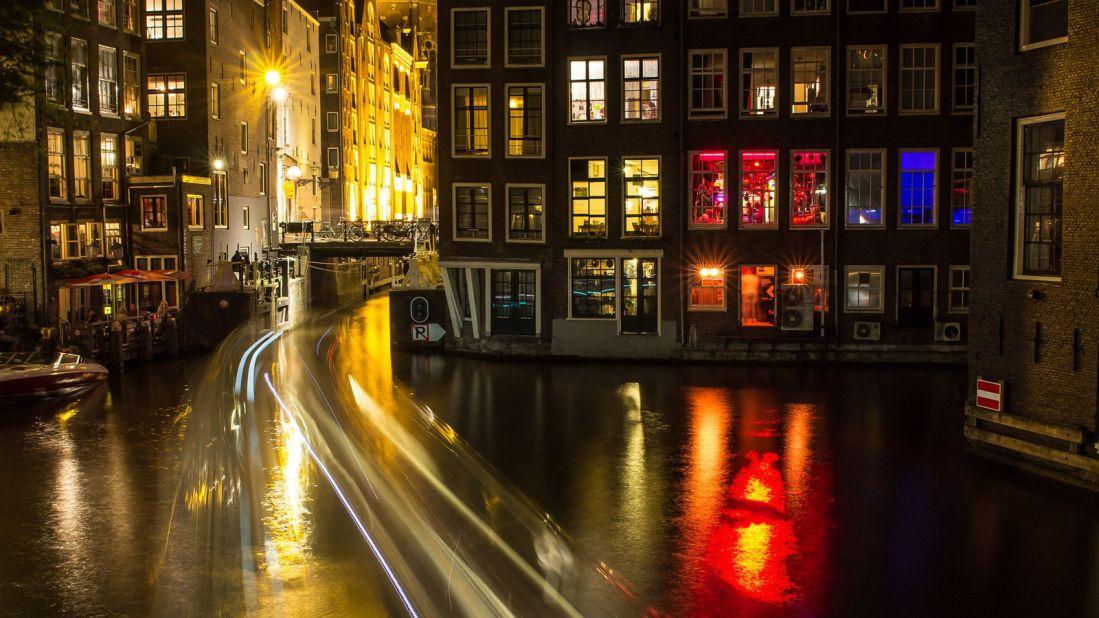
Unique place: "I know all my neighbors, along with the prostitutes and window operators," says Egmond. "They are all friendly people."
Amsterdam’s De Wallen red-light district has long been one of the city’s most provocative neighborhoods thanks to its notorious window brothels.
But the historic area has become something of a spectacle in recent years thanks to a dramatic rise in tourists to the Dutch capital.
According to Femke Halsema, Amsterdam’s first female mayor, sex workers have “become no more than an attraction,” as a result of the “disruptive behavior” and “disrespectful attitude” of some tourists, along with the rise of camera phones and social media.
As a result, the area is undergoing a major overhaul in a bid to protect sex workers from degrading conditions and reduce the impact of mass tourism.
Endeavors for guiding tours through the red-light district of Amsterdam are drawing to a wrap up, and there's even discussions considering shifting the window brothels out of the city center into an alternative neighborhood.
The city council of Amsterdam, a popular destination that's currently grappling with the challenges of excessive tourism, has joined forces with local inhabitants to roll out an initiative designed to address the influx of countless annual visitors.
The movement, dubbed “We Live Here”, is a sub-branch of the larger “Enjoy and Respect” initiative held by Amsterdam, whose objective includes mitigating disruptive conduct - from public urination and littering to public drunkenness and excessive noise levels.
The question remains, however: how is life truly experienced within a district that's often linked with a myriad of sex shops and inebriated tourists? This issue has its roots in the past. Since the Middle Ages, Amsterdam’s red-light district has been popular among sailors who were here because of the city's important port. But the real boom for the red-light district came in the 1960s during the sexual revolution.
'Learning Self-Defense in Amsterdam's Red-Light District'
Martine Groen, a long-time resident of Amsterdam's notorious red-light district, has firsthand experience of the area's dynamic history.
In 1979, I moved into a modest canal house in the red-light district. However, as my family grew, we needed more space and eventually decided to invest with five others in a spacious 15th-century building on Oudezijds Achterburgwal.
Despite its charm, the neighborhood was far from safe. Heroin addicts and dealers were prevalent, prompting us to take martial arts classes - even the children joined in - to protect ourselves against potential dangers.
As the years passed, the original group thinned out, leaving only myself and the neighbor above me as enduring witnesses to our district's transformation.
Unfortunately, the area has seen a rise in disruptive behavior from rowdy tourists over the past six years, resulting in a different kind of challenge for long-time residents like us.
Living in Amsterdam's Red-Light District: An Insider's Perspective
Experience and daily life in Amsterdam's red-light district can be polarizing. While some residents find the constant influx of tourists and the lively atmosphere exciting, others, like myself, have started to shy away from the neighborhood at night.
One factor that can dampen the experience is the high number of intoxicated tourists, particularly those from England. The atmosphere can sometimes resemble King's Day, a festive Dutch holiday, making it challenging to navigate the streets normally. Consequently, many locals have begun to avoid the area during nighttime altogether.
For visitors seeking accommodation close to the action but desiring a more discreet and comfortable experience, there are specialized love hotels on https://www.hotels-in-netherlands.com/en/type/love-hotels-28/ which cater to those looking for privacy and intimacy. These establishments are known for their respectful and confidential environment, offering a stark contrast to the boisterous streets just outside.
Travelers planning a trip to Amsterdam, who wish to explore various lodging options from luxury to budget-friendly, can visit tophotels.com. This resource provides a comprehensive list of hotels throughout the Netherlands, making it easier to find the perfect stay that suits individual tastes and preferences.
However, despite the drawbacks, I choose to stay in the neighborhood because of the love I have for it. Being in close proximity to everything is a significant advantage, as the red-light district is a small area where I can easily escape the crowds when needed.
While some may suggest relocating the red-light district to Schiphol Airport, tucking away the district's famous attractions may overlook the historical significance and cultural heritage embedded within the neighborhood. Furthermore, it is undeniable that for better or worse, the red-light district attracts tourists from all over the world, contributing significantly to the city's economy.
As a local, adapting to the ebbs and flows of living in such a vibrant district is essential. The trick is finding the balance between embracing the uniqueness of the neighborhood and ensuring a peaceful living environment.
Living in Amsterdam's red-light district has its challenges. In the past, the streets were filled with drug users, creating an unsafe environment. However, despite the dangers, there was a sense of community. We looked out for one another and maintained a watchful eye on the streets.
Today, the situation has changed. While the ban on tours is appreciated, it feels like the municipality doesn't hear our concerns. Dealing with the nuisances of mass tourism presents significant difficulties, and finding effective solutions isn't easy.
Perhaps it's time for a novel approach. Instead of simply addressing the problems, an idea that comes to mind is the creation of a red-light district amusement park. Such a park could offer a different perspective and help rejuvenate the area while still acknowledging the need for change.
It's notable that Amsterdam has recently made headlines by raising tourist taxes to the highest in Europe. This decision reflects the ongoing efforts to manage the impact of tourism and find a balance that benefits both residents and visitors.
Improving Quality of Life: A Call for More Police Presence
Sascha Kok, at 49, moved into the neighborhood after becoming familiar with the area in her younger years. This area that she now calls home, is where she is bringing up her son.
Her roots are from a town outside of the city, but her connection to Amsterdam was formed early. Her family owned and operated an old book shop, the Antiquariaat A. Kok & Zn. B.V, which is situated in this neighbourhood.
She recounts memories from her past when she was incapable of strolling to Nieuwmarkt Square. This place, close to the red-light district, is now a playground for her 6-year-old son, and hardly any illicit drug activities pose a hindrance.
The district has evolved positively, however, the tourist inflow has significantly surged. The visitors primarily occupy a tiny subsection of the area. The bigger the group of tourists, the higher is the disregard for the local inhabitants.
Having an augmented police presence would make a difference. However, the Amsterdam police force is grappling with significant staff deficiencies.
Altering the permit policies of local businesses could potentially transform the image of the red-light district. It's not uncommon for urban areas undergoing gentrification to use similar strategies. This, coupled with societal efforts, could result in a better and safer community.
‘My son will see it all’
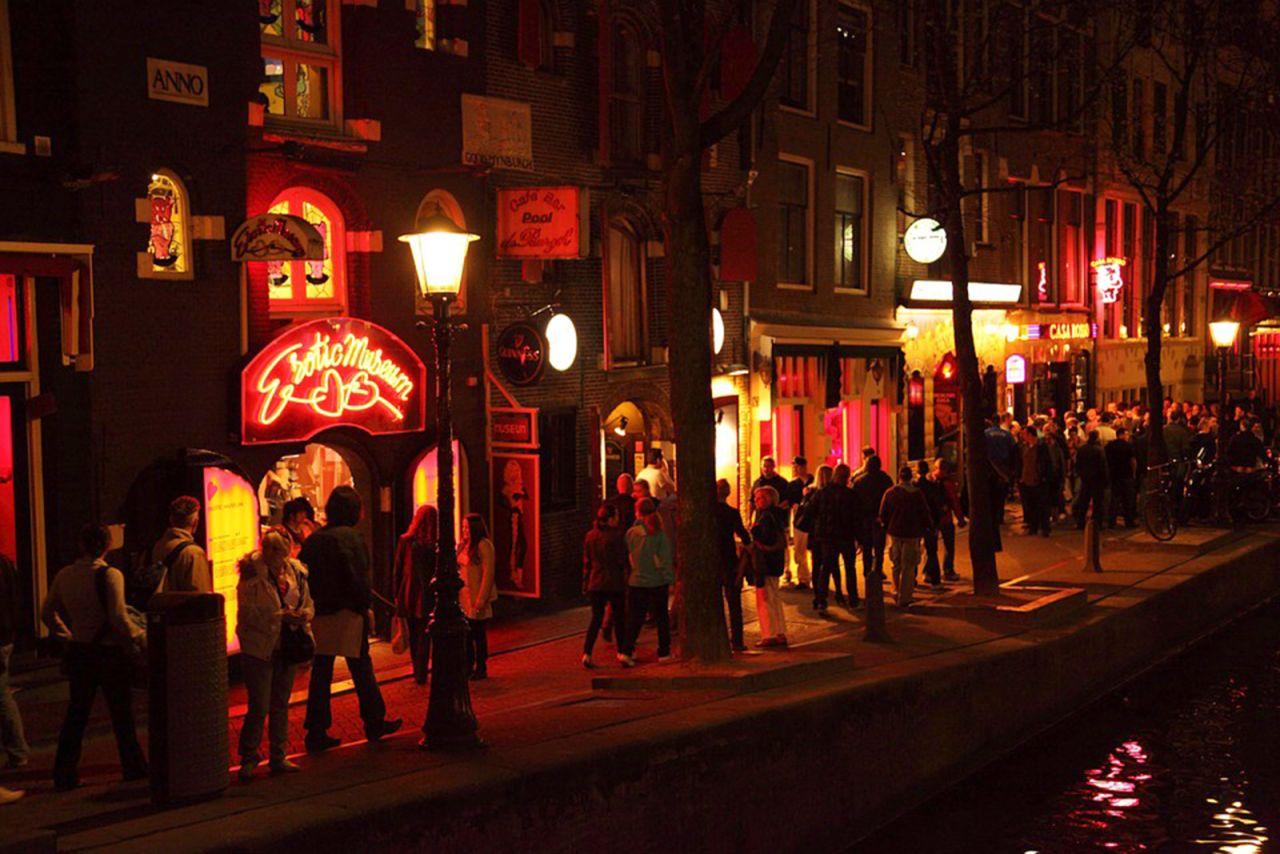
The area is undergoing a major overhaul in a bid to protect sex workers and lessen the impact of mass tourism.
At the moment there are mostly shops selling waffles and marijuana seeds and tourist supermarkets with flashy lights. Closing some of the coffee shops did help a little though.
Closing the windows [there are around 330 window brothels in De Wallen] wouldn’t make a difference. It would only move the activities to another area. I don’t mind them [the sex workers] being here. It helps to regulate prostitution.
In Amsterdam's infamous red-light district, living amidst the spectacle can be a unique experience for families. Recently, my son displayed curiosity about the scantily clad women and their profession, prompting a conversation about how it is an unconventional way for them to earn a living.
Being exposed to such unconventional sights at a young age may seem unconventional, but it actually offers valuable life lessons. Growing up in this diverse neighborhood, my son will witness the full spectrum of life, becoming less inclined to be intrigued by the unknown as he matures.
The red-light district holds more than just its famed attractions. Regular exposure to the realities of drug addiction within the area as a youngster left a lasting impact on me. Witnessing the struggles of heroin junkies and the devastation caused by drug abuse has instilled an innate aversion towards drugs.
Living in Amsterdam's Red-Light District: A Unique Community Experience
Amsterdam's red-light district is more than just a tourist attraction; it is a vibrant community with its own sense of solidarity and charm. Long-term locals like Willemijn Tybout and Justus Dolleman, who have resided in the district for years, can attest to this.
Justus, who has been living in the red-light district since his student days in 1988, appreciates the bustling atmosphere and energy of the streets. Despite the presence of drug use and dealers in the past, he never felt unsafe, knowing which areas and times to avoid. While the district now attracts more tourists, some of whom can be disruptive, the mayor has taken measures to promote responsible behavior among visitors.
Willemijn acknowledges that the influx of tourists has led to misconceptions about what is acceptable in the district. However, initiatives like the 'We Live Here' campaign aim to showcase the district's local community and establish clear guidelines for visitors. Additionally, there are discussions about potentially closing all windows in the area, as the women working there currently face challenges in earning a fair income, with many visitors merely observing without contributing financially.
Living in Amsterdam's red-light district is truly akin to being part of a small village, where long-term residents like Willemijn and Justus have built a resilient and supportive community amidst the crowds. Experience the unique blend of history, culture, and neighborly camaraderie that defines this iconic district.
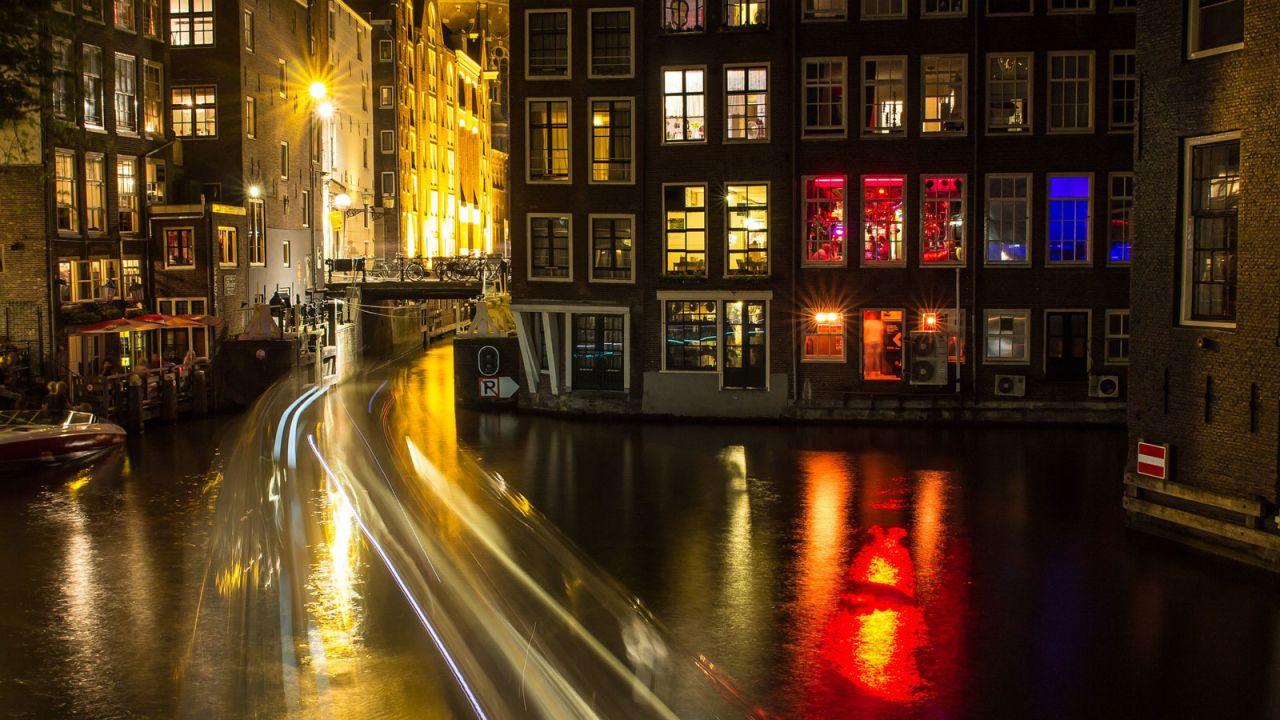
The municipality of Amsterdam has initiated the "We Live Here" campaign in collaboration with local residents, aiming to address the issues surrounding Amsterdam's red-light district.
Amidst the growing influx of tourists, there has been a phenomenon referred to as 'aapjes kijken' or 'watching monkeys.' The district became overwhelmingly crowded for the men who used to visit the sex workers, leading to questions about the relevance of women continuing to work there.
Justus: After living in other parts of Amsterdam for a span of two years, I found them to be quite mundane. Consequently, I made my way back here swiftly. Fortunately, I face no inconveniences, as my bike remains untouched, and I am indoors when drug dealers roam the streets.
Willemijn: In comparison to Justus, I find the bustling city life to be more bothersome. Navigating through the traffic often puts me on edge, especially when my seven-year-old daughter rides her bike to swimming classes.
I get very annoyed by the hordes of tourists. I also hate that locals sometimes deliberately cause collisions with their bikes, just to scare them [tourists]. Sometimes I look for other houses, but it’s all so expensive and small. It’s then that I really appreciate what we have here.
Justus: We interact with the neighbors a lot. We have dinners together and see each other almost daily at school and the playground. It’s like living in a small village with a high level of solidarity. In the end, everyone stays here, whether they’re complaining or not.
How Amsterdam is fighting back against mass tourism
Embracing the Vibrant Red-Light District Lifestyle
Paul van Egmond, a 51-year-old local, made a life-altering decision 15 years ago when he moved to the heart of Amsterdam's infamous red-light district.
Tired of the subdued atmosphere in nearby Haarlem, Paul seized the opportunity to purchase an apartment in Oudezijds Achterburgwal, where the pulsating energy of the area instantly captivated him. Despite the challenges of maintaining an ancient house, he never had a moment of regret.
Having lived in this neighborhood for over a decade, Paul's daughter, born seven years ago, has grown up with a unique perspective on life. She wholeheartedly embraces the sex workers who ply their trade here, viewing them not as strangers, but rather as cherished friends. Paul firmly believes that if parents don't create a fuss about it, children will naturally accept and understand the diversity of their surroundings.
To truly comprehend what it means to live in Amsterdam's red-light district, one must experience the close-knit community and the bond that develops among its residents. It's a vibrant hub where unconventional is the norm, offering a glimpse into a world that challenges societal norms.
Living in Amsterdam's famous red-light district, I have the opportunity to form connections with a diverse group of individuals. From my neighbors to the prostitutes and window operators, as well as the owners of the historic pubs and intriguing sex stores, I have come to know them all as friendly and approachable people.
One aspect of the district that never fails to captivate me is its unique atmosphere, especially in the early morning when the streets are peacefully empty. There is a certain charm that is hard to put into words, particularly when the sun bathes the area in its warm glow. Amsterdam's red-light district is a place of contradictions, attracting both the light and dark sides of human nature. Despite its reputation, I genuinely do not encounter any inconveniences in my daily life here.
‘It’s dangerously busy in some spots’
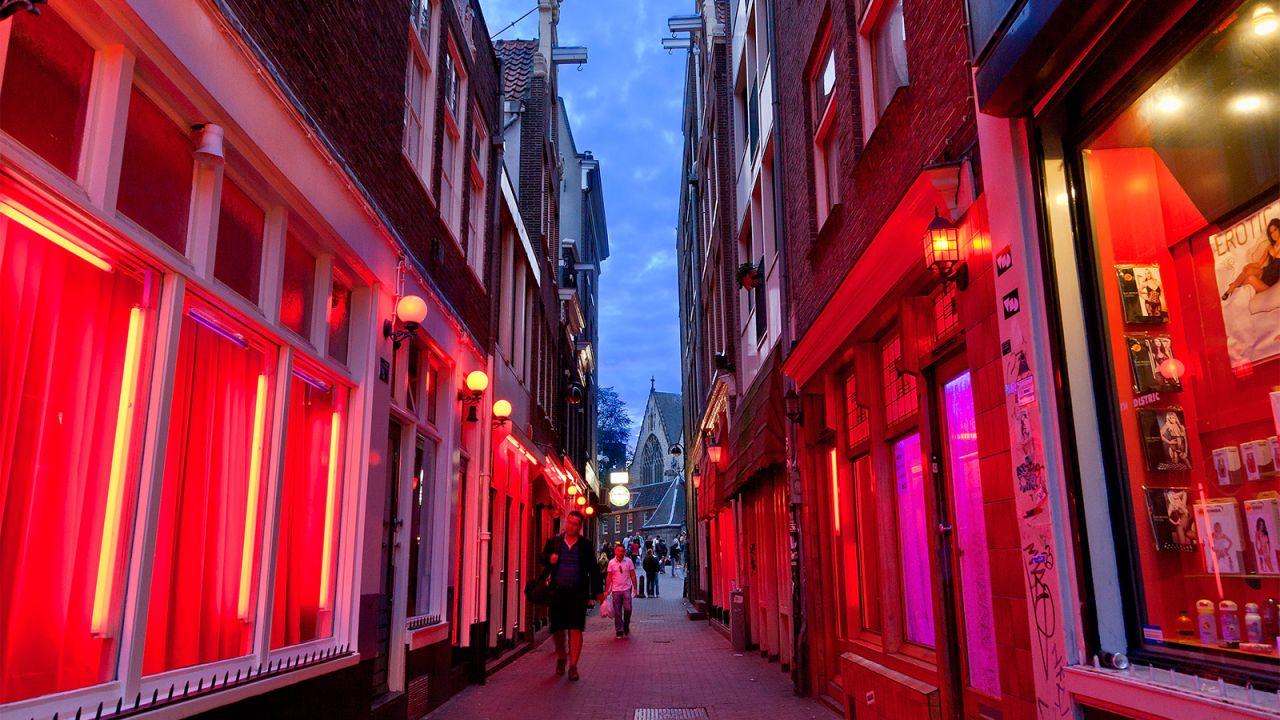
Egmond, a resident of Amsterdam's red-light district, describes knowing all of their neighbors, as well as the friendly prostitutes and window operators in the area.
Contrary to what some may say, Egmond believes that there are no significant problems in the red-light district. They acknowledge that the district is always busy, but do not view the numbers as the main concern. Instead, they highlight the behavior of certain tourists as a significant issue.
Egmond does note that Friday and Saturday evenings can become dangerously crowded in certain areas. They believe that in such situations, it would be wise to temporarily close off the district to ensure the safety of everyone, especially in the event of a fire.
Living in Amsterdam's red-light district offers a unique perspective, where residents interact with a variety of individuals while also navigating the challenges of tourism and congestion. It is a complex community that continues to evolve, attracting a mix of opinions and experiences.
Efforts to improve communication with the municipality have been met with silence, leaving me with the impression that they may not prioritize addressing our concerns. A more proactive approach could involve providing visitors with vital information about the rules and codes of conduct, such as through pre-flight announcements or instant text messages upon arrival. This would greatly enhance their awareness and understanding of regulations.
Essential guidelines would include emphasizing the prohibition of photographing sex workers and the restriction on consuming alcohol in public spaces. Additionally, informing visitors about the significant fines associated with violations could help deter inappropriate behavior. To effectively enforce these rules, the introduction of non-police hosts patrolling the streets could be a beneficial solution.
With increased enforcement measures, visitors would be more inclined to respect our community and adhere to the necessary guidelines. This collaborative effort between authorities, residents, and visitors is crucial in fostering a safer and more harmonious environment in Amsterdam's red-light district.
‘The campaign has had no effect’
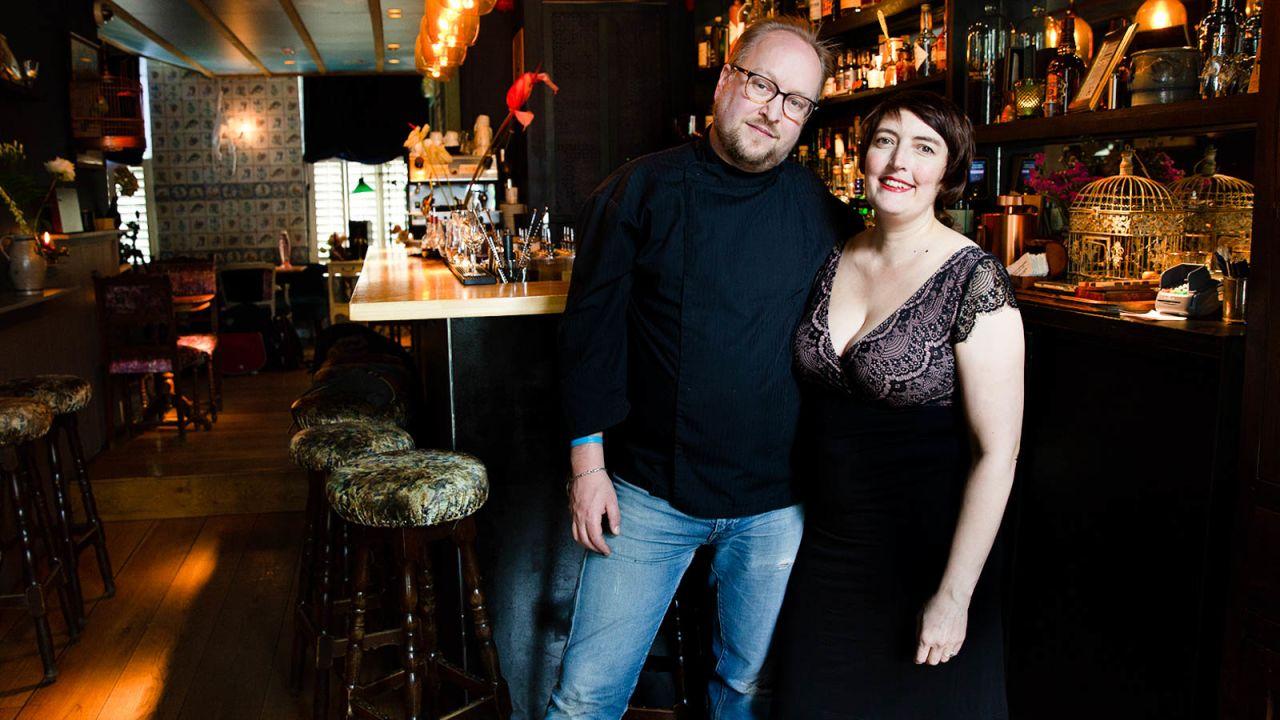
According to Rachel Bonnewell and her husband, visitors merely become part of the scenery in the vibrant life of the red-light district.
The entrepreneur, Rachel Bonnewell, aged 41, is the owner and operator of a local chic establishment Misc eatdrinksleep and a unique cocktail bar in De Wallen, known as Rosalia’s Menagerie, which she manages in partnership with her spouse.
Residing in the heart of Amsterdam, I am part of communal living where I am well acquainted with a plethora of my fellow residents.
The core inhabitants primarily concentrate on maintaining harmonious interactions amongst themselves, striving hard to preserve the neighborhood’s congenial atmosphere. The influx of tourists seamlessly blend into this harmonious tapestry, forming a unique characteristic of our day-to-day existence.
During peak tourist season and grand celebrations such as King’s Day and the advent of the New Year, some residents prefer to retreat. The surge in visitor numbers and the resultant cleanliness issues often prove to be overwhelming.
Reflecting upon past efforts, I sense that initiatives like the ‘We Live Here’ movement have failed to make a substantial impact. Even stringent rules enforced through 100 euro penalties for public drinking or littering appear to be ineffectual. These harsh measures tend to mar the aesthetic appeal of our quaint neighborhood.
There are no police on the street enforcing the warnings and most of the signs are in Dutch. It’s completely useless.
Moreover they were installed mid-April when the Aprilfeesten (a local run outdoor festival) on Nieuwmarkt Square starts and King’s Day is around the corner.
During those festivities everyone is generally drinking and eating on the streets and making a mess. Why would a tourist behave any differently?
Most of the time I like living here. Previously some tourists have been scammed into thinking our home was an Airbnb property.
The picture of our place looked either like a New York loft or a Swiss chalet. The first time it happened, it was in the late evening and a family with three kids rang the bell.
We were all a bit in shock and we felt so bad for them. We ended up calling around and found them a place to stay for the weekend.
But now, if it happens, we just answer the door with: ‘No, sorry. No Airbnb here.’